Skip to content

Table of Contents
Most people know when something feels seriously wrong with their eyes. The problem is that many still wait, assuming it will pass or hoping it is not as serious as it seems. When it comes to eye emergencies, that hesitation can cost you. Some conditions deteriorate within hours, and the window for preventing lasting damage is often shorter than people realize.
Emergency eye services in Chicago, IL exist for exactly these situations. Norwood Park Eye Center offers same-day evaluations for eye injuries, sudden vision changes, severe pain, and other urgent concerns at 6107 N Northwest Hwy STE A, Chicago, IL 60631. Here are the 10 most common eye emergencies that require prompt professional care.
How do you know if an eye problem is a genuine emergency that needs immediate care?
An eye problem is an emergency when symptoms include sudden vision loss, severe eye pain, a chemical splash, physical trauma to the eye, flashes or floaters that appear without warning, a foreign object you cannot remove, or signs of infection that are spreading or worsening rapidly. When in doubt, seeking same-day evaluation is always the safer choice.
Why Eye Emergencies Cannot Wait
The eye is one of the most delicate structures in the body, and many conditions that start as manageable concerns can progress rapidly without intervention. Unlike a skin injury that you can monitor over several days, eye emergencies often involve structures like the cornea, retina, and optic nerve where damage accumulates quickly and does not always reverse.
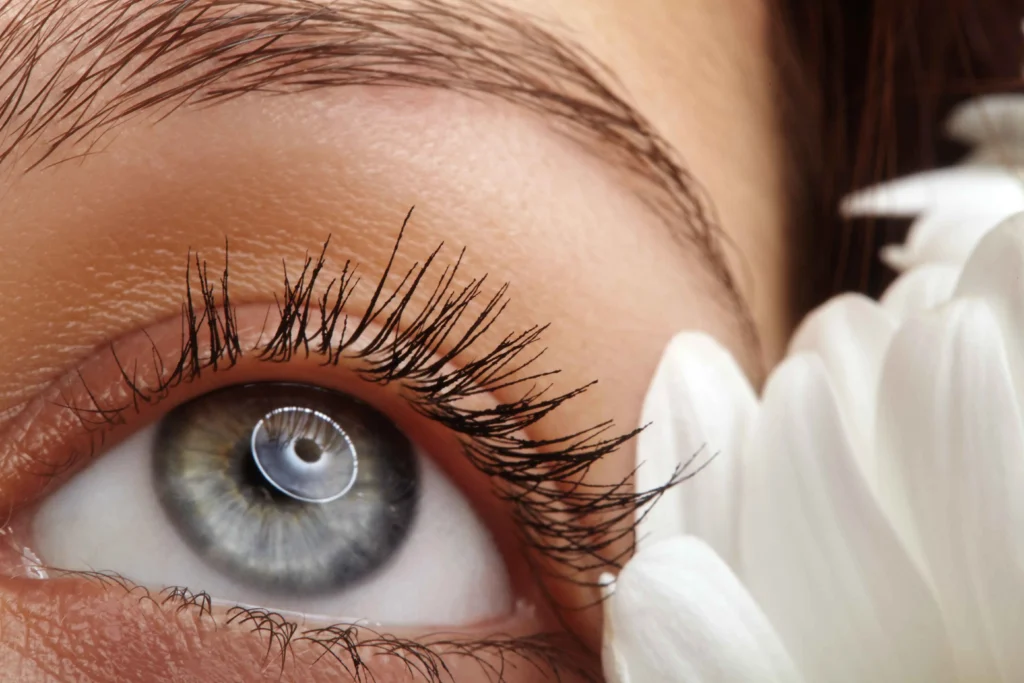
General urgent care and emergency rooms are not always equipped to evaluate and treat eye-specific conditions. Seeking specialized emergency eye care ensures the right diagnostic tools are available and that providers make treatment decisions with the training and experience to identify the full scope of the problem.
1. Sudden Vision Loss
Sudden loss of vision in one or both eyes is always an emergency. It can indicate a retinal detachment, a blockage in a blood vessel supplying the eye, or a neurological event. None of these improve on their own. The faster the evaluation, the better the chances of preserving vision. Do not wait to see if it resolves.
2. Retinal Detachment
Retinal detachment often announces itself with a sudden shower of floaters, flashes of light, or a curtain-like shadow moving across the visual field. These symptoms are easy to dismiss at first, but they indicate the retina pulling away from the back of the eye. Without urgent treatment, a partial detachment can progress to a complete one, and vision recovery becomes significantly less likely the longer it waits.
3. Chemical Splash or Burn
A chemical splash to the eye, whether from household cleaners, industrial solvents, or any caustic substance, is one of the most time-sensitive eye emergencies. Immediately rinse the eye with clean water for at least 15 to 20 minutes before seeking care. Do not wait for the rinse to resolve symptoms fully. Emergency evaluation is necessary to assess the extent of the chemical burn and determine whether the cornea or deeper structures are affected.
4. Foreign Object in the Eye
Small particles like metal shavings, wood chips, or debris can become embedded in the eye or scratch the cornea. If rinsing with water does not remove the object, or if you feel persistent pain, blurred vision, or sensitivity to light, stop trying to remove it yourself. Attempting to dislodge an embedded foreign body can cause more damage. Urgent eye care removes the object safely and checks for corneal injury.
5. Corneal Abrasion
A scratched cornea is more serious than it sounds. Even a fingernail, a contact lens, or a speck of dust can cause a corneal abrasion, which produces sharp pain, tearing, and extreme light sensitivity. While minor abrasions can heal with proper treatment, deeper scratches are at risk of infection. An emergency optometrist evaluates the severity, prescribes antibiotic drops if needed, and monitors healing to prevent complications.
6. Eye Trauma or Blunt Injury
A blow to the eye from a ball, an elbow, or any blunt impact can cause damage that is not immediately visible. Internal bleeding, a fracture of the bones around the eye, or injury to the lens or retina may not produce obvious external signs right away. Any significant impact on the eye area warrants a same-day evaluation, even if the initial pain is mild.
7. Acute Angle-Closure Glaucoma
This condition involves a sudden spike in intraocular pressure that can cause severe eye pain, headache, nausea, blurred vision, and halos around lights. It is often mistaken for a migraine or sinus issue. Acute angle-closure glaucoma is a true ocular emergency. Without treatment to reduce eye pressure quickly, permanent optic nerve damage and vision loss can occur within hours.
8. Severe Eye Infection
Not all eye infections are minor. Bacterial infections that cause thick discharge, spreading redness, sharp pain, and swollen eyelids can progress to corneal ulcers or deeper infection if not treated promptly. Viral infections, particularly those caused by herpes simplex, can also escalate quickly and spread to both eyes. Contact lens wearers are at particular risk for microbial keratitis, a serious corneal infection that requires aggressive treatment. If symptoms are worsening or have not improved within 24 hours, seek emergency eye care rather than waiting.
9. Flashes and Floaters Appearing Suddenly
New or sudden floaters, especially when accompanied by flashes of light or a change in peripheral vision, can be an early warning sign of retinal tearing or detachment. A few stable floaters that have been present for years are generally not urgent. A sudden onset of new floaters or flashes, particularly in one eye, is a different situation entirely and warrants same-day evaluation.
10. Severe Allergic Reaction Affecting the Eyes
Most allergic eye reactions are uncomfortable but manageable. However, a severe allergic reaction that produces extreme swelling of the eyelids, rapidly worsening redness, significant pain, or vision changes requires prompt evaluation. In some cases, severe allergic reactions can compromise structures of the eye or indicate a systemic reaction that needs broader treatment.
Do Not Wait When Your Vision Is at Risk
The common thread across all 10 of these emergencies is that time matters. Delayed treatment consistently leads to worse outcomes, and many of these conditions can be addressed effectively when caught early. If you are in Chicago and experiencing any of these symptoms, the right call is to seek care the same day, not the next morning.
If you are experiencing an eye injury, sudden vision changes, severe eye pain, or any other eye emergency, do not delay. Contact Norwood Park Eye Center for prompt emergency eye services in Chicago, IL. Same-day evaluations are available. Visit us at 6107 N Northwest Hwy STE A, Chicago, IL 60631, or call today. Learn more about our team and reach out right away if your symptoms cannot wait.