Skip to content

Table of Contents
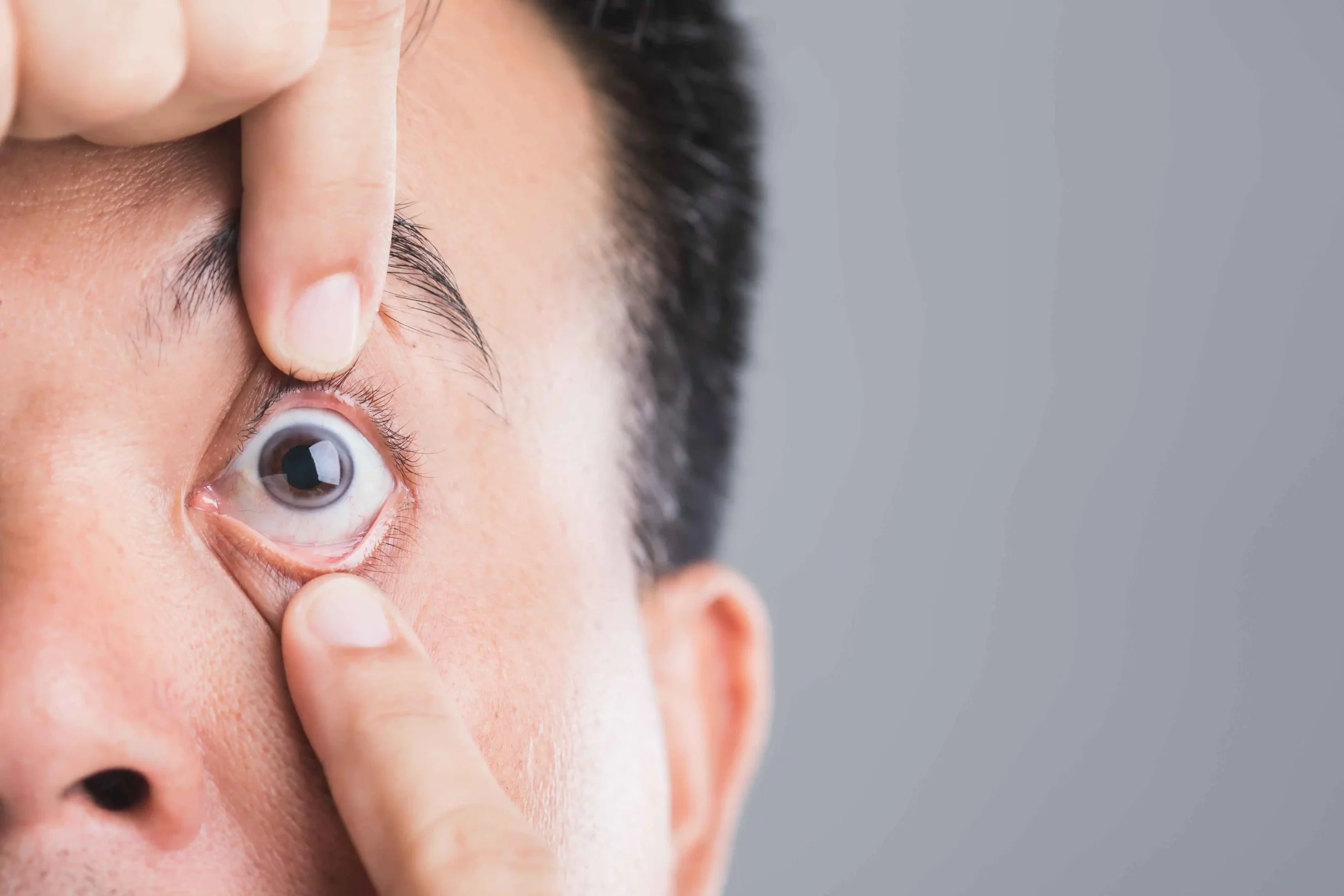
Itchy, red, watery eyes can ruin your whole day, and figuring out the cause isn’t always straightforward. Is it seasonal allergies acting up again, or is something else going on with your tear film? The question of dry eye vs. allergies trips up a lot of people, and the symptoms overlap enough that reaching for the wrong remedy is easy.
That confusion matters more than it might seem. Treat dry eye like an allergy, or the other way around, and you could be stuck dealing with discomfort for weeks without real relief. This guide breaks down the symptoms, causes, and clear signs that tell the two conditions apart, plus when it’s time to bring in a specialist.
What is the main difference between dry eye and eye allergies?
Dry eye is caused by insufficient or poor-quality tears, leading to burning and grittiness. In contrast, eye allergies are triggered by allergens such as pollen or dust, causing itching and swelling, often accompanied by sneezing.

What Is Dry Eye Disease?
Dry eye disease happens when your eyes either don’t produce enough tears or the tears you do have evaporate too quickly to keep your eyes properly lubricated. Instead of the smooth, cushioned feeling healthy tears provide, your eyes end up dry, irritated, and unprotected.
Common dry eye symptoms include a gritty or sandy sensation, a burning sensation, and blurred vision that clears and then returns throughout the day. Many people notice it worsens the longer they stare at a screen, often feeling most intense by evening. If that sounds familiar, you’re not imagining it. This is one of the most common eye complaints we see.
What Are Eye Allergies (Allergic Conjunctivitis)?
Eye allergies, medically known as allergic conjunctivitis, happen when your immune system overreacts to something in your environment. Pollen, dust mites, pet dander, and mold are frequent culprits. When your eyes come into contact with one of these allergens, your body releases histamine, and that’s what causes the reaction you feel.
Eye allergy symptoms usually include intense itching, puffy or swollen eyelids, and a tendency to flare up during specific seasons, such as spring, when pollen counts spike. It’s also common to notice sneezing or a runny nose alongside the eye symptoms, since allergies rarely stay contained to one area.
Key Differences: Dry Eye vs Allergies Side-by-Side
Once you know what to look for, the two conditions become much easier to tell apart. Here’s how they stack up side by side:
- Itchy eyes causes: Allergy-related itching tends to be intense, often with an urge to rub your eyes. In contrast, dry eye irritation feels more like a persistent scratchiness or burning rather than a true itch.
- Watery eyes vs dry eyes: Dry eye can actually cause watering. When your eyes are too dry, they sometimes overcompensate with a flood of reflex tears, which feels counterintuitive but is very real. Allergy-related watering usually occurs alongside itching and swelling rather than on its own.
- Red eyes can cause both conditions to leave your eyes looking bloodshot, but the underlying causes of the irritation differ. Dry eye redness results from surface inflammation due to insufficient lubrication, while allergy-related redness stems from the histamine response itself.
- Timing and triggers: Allergies tend to appear seasonally or shortly after exposure to a trigger, while dry eye symptoms are usually more chronic, occurring daily and worsening with screen time or dry indoor air.
Can You Have Both at the Same Time?
Here’s where things get a little more complicated. It’s entirely possible to have both dry eye disease and eye allergies at once, and this is more common than you’d think. Allergies can trigger extra tear evaporation, and existing dry eye can make your eyes more sensitive to allergens in the first place.
When symptoms overlap like this, self-diagnosing becomes tricky, and treating only one condition might leave you frustrated when relief doesn’t fully arrive. That’s usually the point at which a proper eye exam is the most reliable way to know what’s really going on.
When to See an Eye Doctor
If your symptoms stick around well beyond allergy season, or if antihistamines and allergy eye drops aren’t giving you the relief you expected, it’s a strong sign that chronic dry eye treatment might be what you need. Chronic dry eye doesn’t usually resolve on its own, and over-the-counter drops often just mask the discomfort rather than addressing the underlying cause.
Persistent burning, fluctuating vision, or eyes that feel worse the more you blink are worth mentioning to your eye doctor. These details help pinpoint whether allergies, dry eye, or a combination of both is behind your discomfort.
Dry Eye Treatment in Chicago, IL: How Norwood Park Eye Center Can Help
At Norwood Park Eye Center, we offer Intense Pulsed Light (IPL) therapy as part of our dry eye treatment that Chicago, IL, patients rely on for lasting relief. IPL works by reducing inflammation and targeting abnormal blood vessels on the eye’s surface, often at the root of chronic dry eye symptoms.
This non-invasive treatment also supports healthy Meibomian gland function, which plays a big role in tear stability. Many patients notice improvement within a few weeks, with relief lasting several months, though some benefit from ongoing sessions for longer-term comfort. If you’re tired of relying on drops that only offer short-term relief, this is worth discussing at your next visit.
Finding Real Relief for Your Eyes
Dealing with irritated, itchy, or watery eyes day after day is exhausting, and you deserve an answer that actually fits what’s happening with your eyes rather than a guess. Knowing the difference between dry eye and allergies is the first step toward real relief, rather than cycling through remedies that don’t quite work.
Struggling with irritated, itchy, or watery eyes? Schedule an eye exam in Chicago, IL, today to determine whether dry eye or allergies are causing your symptoms and get the right treatment for lasting relief.