Skip to content

Table of Contents
Many people don’t think about their eye health until something feels off. A slight dryness, a bit of blurriness, or headaches after a long day may not seem like much at first. But for adults over 40, people living with diabetes, seniors who want to stay independent, and anyone with a family history of eye issues, these symptoms can raise real concerns. Worries about vision loss, confusion about treatment options, and the stress of keeping up with appointments often make eye care feel overwhelming. Caregivers trying to support aging parents feel this weight too.
This is why ocular disease management matters so much. At Norwood Park Eye Center, many patients come in feeling unsure, anxious, and frustrated. They want clear explanations, early detection, and practical guidance they can rely on. They want help slowing vision changes and managing dry eyes, glaucoma, diabetic complications, and age-related concerns. They want care close to home in Chicago, with someone they trust to guide them through what comes next.
Understanding what ocular disease management really means gives people the reassurance they need to take control of their eye health before problems advance.
What Ocular Disease Management Means
Ocular Disease Management is the ongoing care, evaluation, and treatment of eye conditions that can progress over time. It focuses on identifying early disease signs, monitoring changes, and providing appropriate treatment at the right stage.
It’s more than checking your vision once a year. It involves looking at how light moves through your eye, how healthy your retina is, how your pressure levels behave, and how your health conditions might affect your sight. The goal is simple: keep your vision as steady and clear as possible while preventing avoidable complications.
This type of care becomes especially important for conditions that do not cause strong early symptoms. Glaucoma is a good example. Many people don’t know something is wrong until the disease is advanced. Management helps identify problems early and provides a plan that protects your sight.
Common Conditions It Addresses
Ocular disease management covers a wide range of concerns, but several conditions arise frequently among patients in Chicago.
Glaucoma is one of the leading causes of preventable vision loss. Monitoring pressure levels and optic nerve health is essential for effective glaucoma management. Treatment may include drops, in-office procedures, or other interventions designed to prevent further damage.
People living with diabetes often need consistent diabetic retinopathy care. High blood sugar affects the tiny blood vessels in the retina. Without routine monitoring and timely treatment, this can lead to serious vision problems.
Age-related macular degeneration is another condition that affects many adults over 50. Macular degeneration treatment focuses on slowing changes in the center of the retina, which is needed for reading, driving, and recognizing faces.
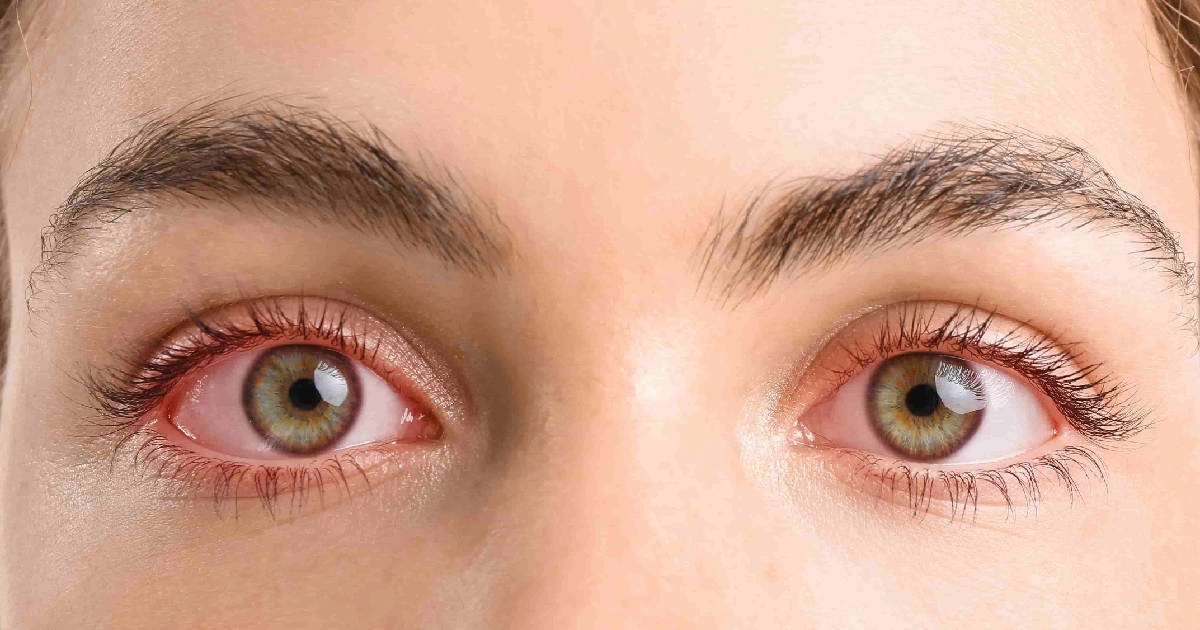
Chronic dryness and discomfort are also common. For many, dry eye disease solutions help relieve irritation and improve clarity. This can involve lifestyle changes, prescription drops, or in-office treatments.
These issues may sound unrelated, but they share a common theme. They all benefit from early detection, consistent monitoring, and clear communication between the patient and their care team.
How Ocular Disease Management Works
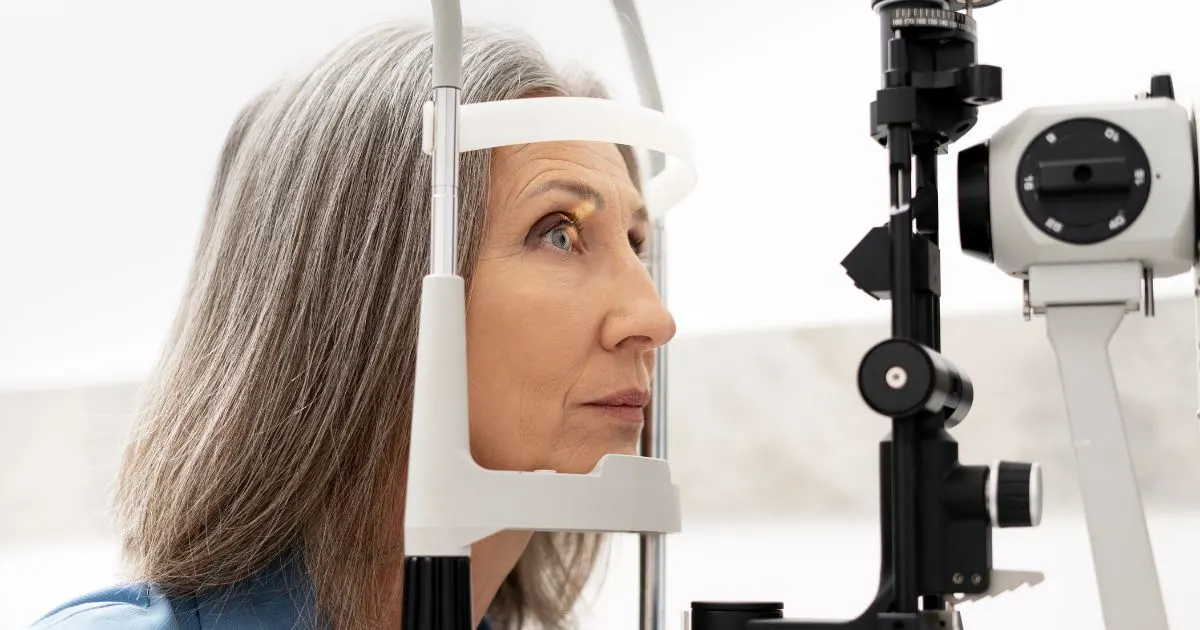
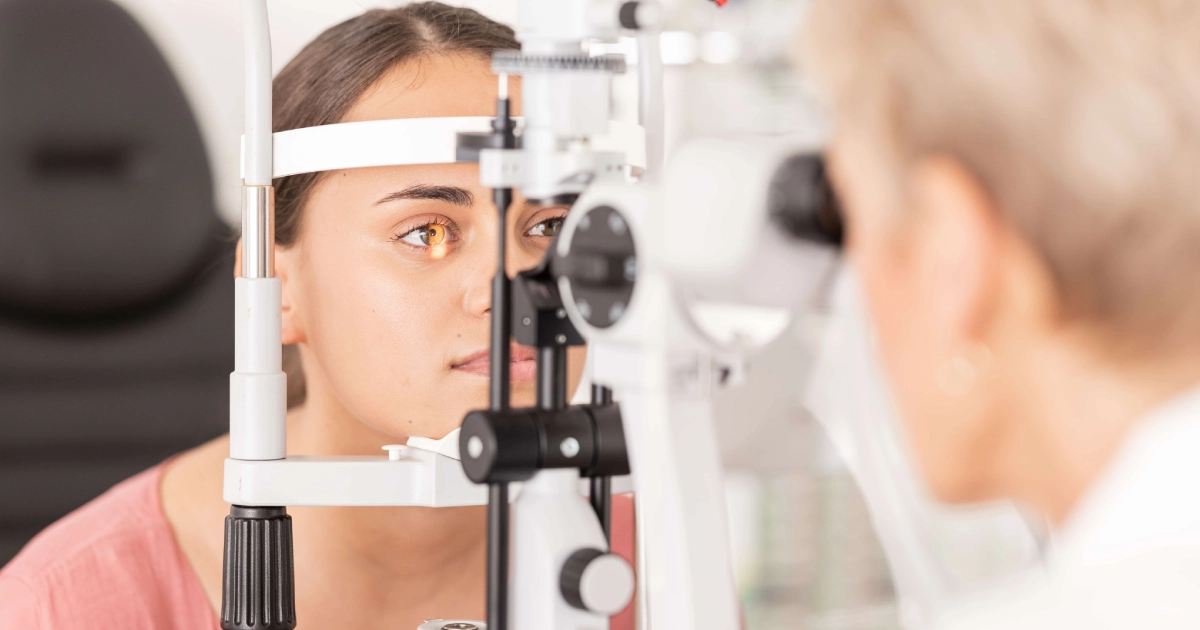
Most people are surprised by how detailed and informative the process is once they start. Ocular disease management usually begins with a comprehensive exam that looks at more than just your prescription. It may include retinal imaging, pressure checks, visual field testing, or scans that show the structure of your eye in detail.
From there, your provider creates a plan that matches your condition, stage, health history, and lifestyle. That may include treatments, scheduled monitoring, or steps you can take at home. Many patients appreciate how these visits give them a clearer sense of what is happening inside their eyes and what to expect moving forward.
Regular follow-ups are a cornerstone of this care. Some conditions need visits every few months, while others require yearly evaluations. The goal is to track small changes before they turn into bigger ones. For many patients, this reduces anxiety and gives them a sense of control.
Why It Matters
People often underestimate how quickly certain eye conditions can progress. Once vision is lost, it cannot always be regained. That is why proactive care is essential.
Effective eye disease treatment protects long-term clarity, supports everyday function, and makes it easier to stay active. It can help you read comfortably, recognize faces, and drive safely. For people managing diabetes or age-related concerns, monitoring also helps prevent complications that could otherwise impact independence.
Another critical factor is that many eye diseases begin quietly. Without regular checks and structured vision loss prevention, problems may go unnoticed until they interfere with daily routines. Early intervention slows progression and increases the likelihood that treatments will work.
For caregivers and family members, knowing that a loved one is receiving consistent monitoring brings peace of mind. Many caregivers worry about what they might be missing. Ongoing care solves that problem by keeping specialists involved in every stage.
When to Seek This Type of Care
People often ask when they should start thinking about ocular disease management. The answer varies from person to person, but certain signs indicate it’s time to get checked. If you’re dealing with blurry vision, dryness, flashes, or new floaters, those symptoms should not be ignored.
Anyone over 40, especially those with a family history of glaucoma or macular degeneration, will benefit from regular monitoring. Diabetic adults should also be seen yearly, even if their vision feels fine. Seniors often schedule visits to monitor age-related changes and maintain their daily function.
If you’ve been told in the past that you have high pressure, early glaucoma, dry eye disease, or early macular changes, it’s worth getting a second opinion or reestablishing follow-up care. Conditions can shift quietly over time.
Even if you simply feel unsure or overwhelmed, staying connected with a trusted provider helps you stay informed and confident in your long-term vision health.
Benefits of Ongoing Care
Ongoing ocular disease management gives people structure, guidance, and reassurance. When you know someone is monitoring your condition closely, it becomes easier to stay consistent with treatments and keep up with recommended appointments.
One of the most significant benefits is stability. Many eye diseases respond best when managed over time rather than treated only when symptoms appear. A personalized plan helps you stay ahead of progression and maintain daily clarity.
Another benefit is convenience. Many patients in Chicago look for care that is close to home and easy to access. With ocular disease management in Chicago, IL, people get local support without needing to travel far for specialized care.
Ongoing care also strengthens communication. You can ask questions, track changes, and understand how your overall health affects your eyes. This builds confidence and helps you stay engaged in your own treatment plan.
Moving Forward with Confidence
Taking charge of your eye health doesn’t have to feel overwhelming. Once you understand what ocular disease management involves, it becomes clear how powerful early detection and consistent monitoring can be. The right support helps you stay ahead of changes, protect the vision you rely on every day, and reduce the stress that comes with uncertainty.
If you’re ready to learn more or want to take the next step, you can discover advanced Ocular Disease Treatments through Norwood Park Eye Center. Their team provides thorough evaluations and care plans designed to help you maintain long-term clarity and comfort.
When you’re ready, you can contact their team to schedule a visit or ask questions about your symptoms, family history, or ongoing concerns.