Skip to content

Table of Contents
Driving at night can feel very different from driving during the day. Headlights seem brighter—streetlights streak. Road signs look fuzzy until you are almost on top of them. If you are nearsighted, these low-light challenges are often even more noticeable.
Many of these symptoms are linked to how light enters the eye and how the cornea focuses it. At Norwood Park Eye in Chicago, IL, Orthokeratology Treatment offers a non-surgical option that gently reshapes the cornea overnight. The result is clearer daytime vision and, for many patients, improved performance in low-light conditions as well.
How Orthokeratology Improves Nighttime Visual Clarity
Orthokeratology, often called ortho-k, uses custom-designed specialty contact lenses that are worn while you sleep. These lenses apply gentle pressure to the cornea, temporarily reshaping its surface. In the morning, you remove the lenses and can typically see clearly throughout the day without glasses or daytime contacts.
So how does this help at night?
When the cornea has a more uniform shape, light can focus more precisely on the retina. In low-light conditions, when your pupils naturally dilate, more light enters through the outer areas of the cornea. Suppose those areas are irregular, and light scatter increases, which can cause halos and glare. By improving corneal symmetry, overnight vision correction may reduce these distortions.
Patients often report:
- Sharper distance vision in dim lighting
- Less glare from oncoming headlights
- Fewer starbursts around bright lights
The effects are temporary, which is why lenses are worn nightly. With consistent use, the reshaped cornea maintains its improved focusing ability, supporting clearer vision both day and night.

Why Night Vision Problems Are More Noticeable In Myopia
If you have myopia, distant objects appear blurry because light focuses in front of the retina instead of directly on it. During the day, your pupils are smaller, which can reduce some visual distortion. At night, your pupils enlarge to allow more light in, and that is when issues often become more pronounced.
In low light:
- The wider pupil exposes more of the peripheral corneal surface
- Even minor irregularities can increase light scatter
- Refractive error becomes more obvious at a distance
This is why halos around headlights or streaking lights are common complaints among nearsighted drivers. By reshaping the cornea, non-surgical vision improvement through ortho-k can help direct light onto the retina more effectively, reducing some of these nighttime disturbances.
Ways To Maximize Nighttime Vision Results With Ortho-K
Getting the best possible nighttime clarity from Orthokeratology Treatment requires more than just wearing the lenses occasionally. Consistency and proper care directly affect your results.
To support optimal outcomes:
- Wear your lenses every night as prescribed
- Follow all cleaning and storage instructions carefully
- Keep scheduled follow-up visits for monitoring and adjustments
If you continue to notice glare or halos, small refinements to the lens design may improve how your cornea reshapes overnight. Communicating changes in your night vision helps us fine-tune your treatment.
The Importance Of Proper Lens Design And Corneal Mapping
Not all ortho-k lenses are the same. Successful orthokeratology care depends on detailed measurements and customized design.
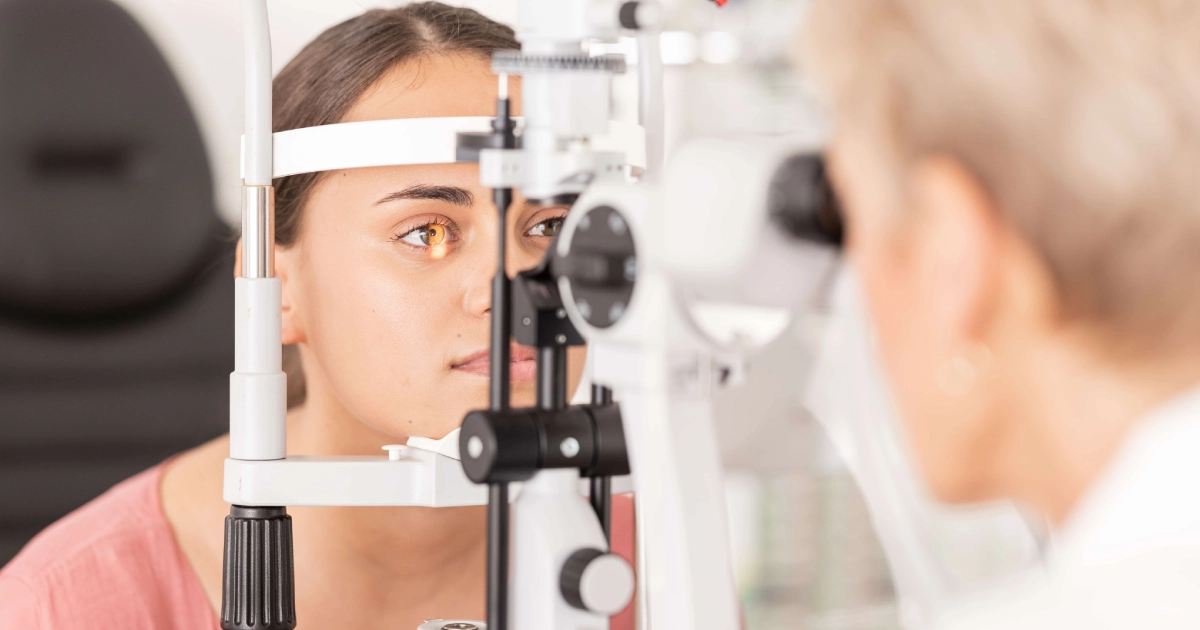
We use advanced corneal topography to map the exact curvature of your eye. This mapping allows us to create lenses that:
- Center properly on the cornea
- Apply balanced reshaping pressure
- Promote symmetrical corneal changes
Lens centration is especially important for nighttime performance. If the lens shifts or does not align properly, it can affect visual sharpness and increase distortions in low light. Even small design refinements can make a noticeable difference in how lights appear after dark.
Ongoing monitoring ensures the reshaping remains stable and that your cornea responds as expected.
What To Expect As Your Night Vision Adjusts
Most patients notice improved daytime clarity within the first several days of starting ortho-k. Nighttime sharpness can improve quickly as well, though it may continue refining over the first few weeks.
It is normal to experience minor fluctuations early in treatment. Your cornea is adapting to a new shape, and the visual system may need time to adjust. With consistent nightly wear, vision typically stabilizes.
Patience and routine are key. Skipping nights can allow the cornea to gradually return toward its original shape, which may reduce both daytime and nighttime clarity.
Who May Benefit Most From Orthokeratology For Night Driving
Orthokeratology is often ideal for individuals with mild to moderate myopia who want freedom from daytime lenses. It can be especially helpful for people who:
- Drive frequently at night
- Feel distracted by glare or halos
- Prefer a non-surgical alternative to laser procedures
Those who are committed to nightly lens wear and follow-up care tend to see the most consistent results. During your consultation at Norwood Park Eye, we evaluate your prescription, corneal health, and visual goals to determine if ortho-k is a good fit.
Clearer Nights Start With The Right Approach
Struggling with glare and halos at night can be frustrating, especially when you rely on clear distance vision for driving and daily activities. By gently reshaping the cornea, Orthokeratology Treatment offers a natural way to improve how your eyes handle low-light conditions. With proper fit, detailed corneal mapping, and consistent care, many patients experience meaningful improvements in nighttime clarity.
If you are curious about the benefits of ortho-k and how they may improve your nighttime driving, our team at Norwood Park Eye is here to help. Schedule your consultation today to find out if specialty contact lenses for overnight vision correction are right for you.