Skip to content
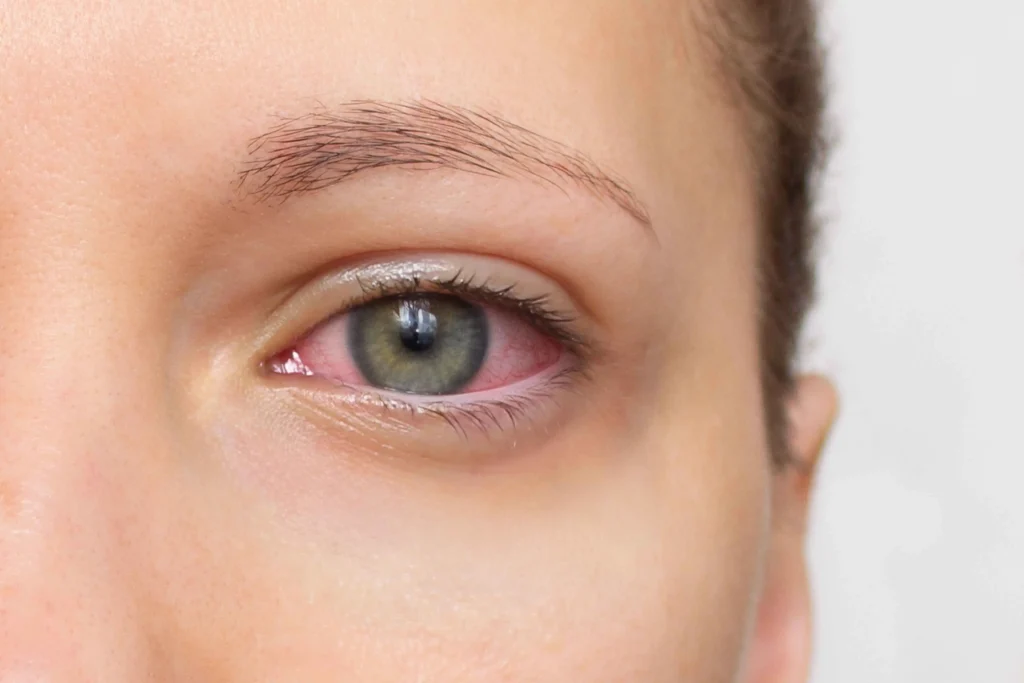
Table of Contents
Chronic dry eyes can disrupt daily life, from blurred vision and irritation to discomfort during screen use or makeup application. Many adults struggle with these symptoms, often trying over-the-counter eye drops or home remedies without lasting relief. At Norwood Park Eye Center, patients learn that persistent dryness is often associated with Meibomian Gland Dysfunction (MGD). This condition affects the tear film’s oil layer, contributing to evaporative dry eye. Understanding the causes, symptoms, and treatment options is key to finding long-term comfort and protecting vision.
What Is Dry Eye Disease?
Dry eye disease happens when your eyes do not produce enough tears or when tears evaporate too quickly, leaving the surface of the eye dry and irritated. Two primary forms of dry eye:
- Aqueous-deficient dry eye happens when tear production is insufficient, often due to age, certain medical conditions, or medications.
- Evaporative dry eye is commonly associated with MGD, in which the glands that produce the oily layer of the tear film are blocked or dysfunctional, leading to faster tear evaporation.
Dry eye disease is common, especially among adults over 50, and it affects both men and women, though postmenopausal women may experience it more frequently due to hormonal changes.
Understanding Meibomian Gland Dysfunction (MGD)
The Meibomian glands, located along the edges of the eyelids, secrete oils that prevent tears from evaporating too quickly. When these glands are blocked or not functioning correctly, it can lead to evaporative dry eye, one of the most persistent forms of the condition.
MGD risk factors include aging, hormonal changes, long hours of screen use, certain medications, and underlying health conditions. When MGD goes untreated, it can worsen dry eye symptoms and reduce the effectiveness of other treatments, underscoring the importance of proper evaluation.
Symptoms of Dry Eye Disease and MGD
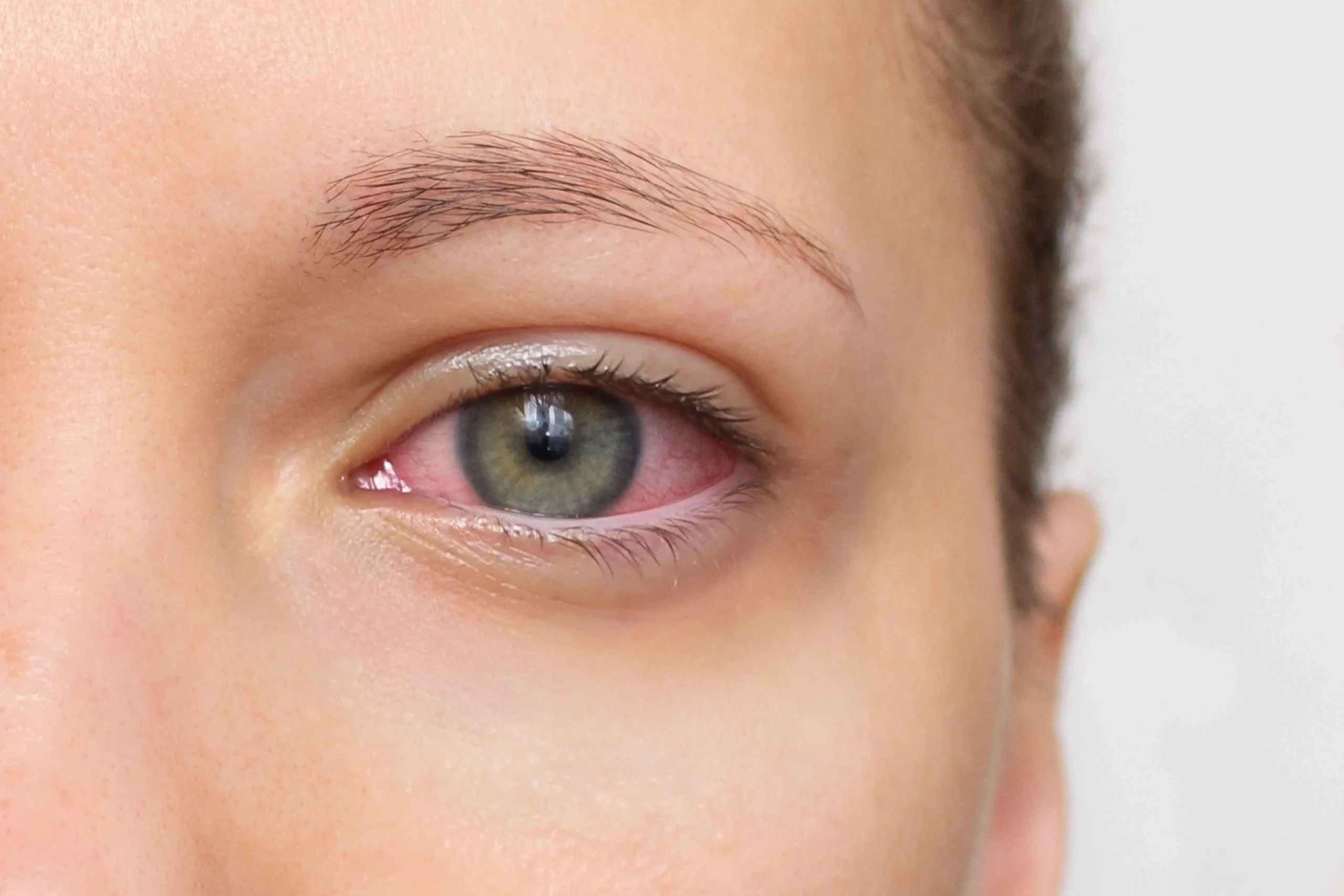
People with dry eye disease often experience a range of discomforts. Common symptoms include burning, stinging, or a scratchy sensation, along with excessive tearing as the eyes attempt to compensate. Vision may appear blurred or fluctuate throughout the day, while redness and irritation can make the eyes feel constantly tired. Prolonged screen use often exacerbates these symptoms, and MGD can both mask and intensify discomfort, making diagnosis more challenging without professional assessment.
Causes and Risk Factors
Dry eye disease develops from multiple factors, and MGD is a leading contributor. Causes can include:
- Blocked Meibomian glands that prevent proper oil secretion
- Reduced tear production due to aging or medical conditions
- Dry air, wind, or extended screen time
- Health conditions like autoimmune disorders or diabetes
- Medications, including antihistamines and antidepressants
Knowing the causes is essential for choosing the proper dry eye disease treatment and addressing the root of discomfort rather than just the symptoms.
Diagnosis of Dry Eye and MGD
Proper diagnosis ensures that treatment targets the underlying problem. Eye care professionals may perform:
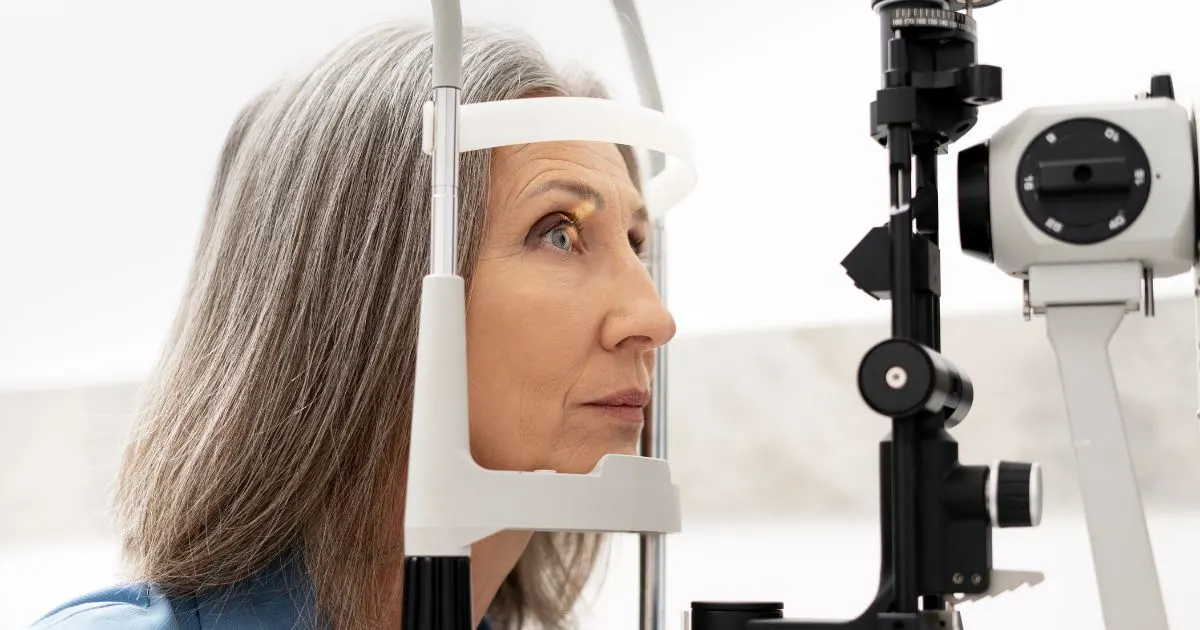
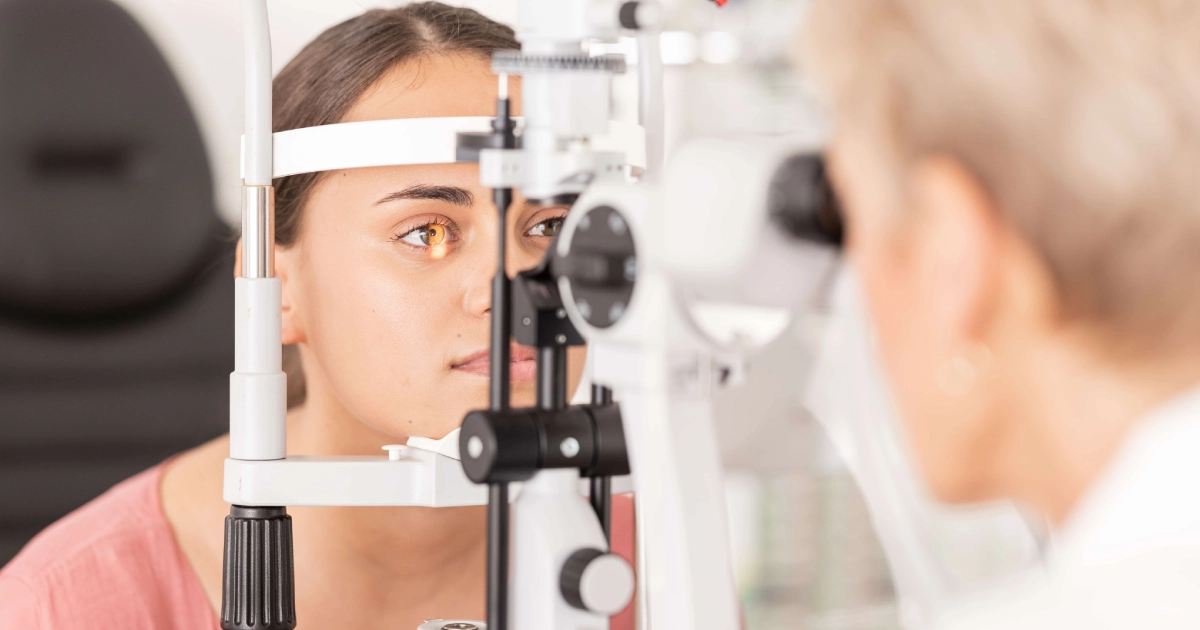
- A comprehensive eye exam and slit-lamp evaluation to observe the ocular surface
- Meibomian gland assessment to detect blockages or dysfunction
- Tear break-up time testing to evaluate tear stability
- Ocular surface staining to highlight areas of dryness or damage
Professional evaluation is crucial, as self-treating with over-the-counter drops may provide temporary relief but will not address underlying gland dysfunction.
Treatment Options
At-Home & Lifestyle Management
For mild or early-stage dry eye, simple adjustments can help maintain comfort:
- Warm compresses and eyelid hygiene to improve gland function
- Artificial tears or lubricating drops for temporary relief
- Environmental changes like using humidifiers or taking regular screen breaks
Medical Treatments
When symptoms are more persistent, medical interventions can provide lasting improvement:
- Prescription eye drops such as anti-inflammatories, cyclosporine, or lifitegrast
- Oral medications, if an underlying condition contributes to dryness
- Punctal plugs to help retain natural tears
In-Office Therapies for MGD
For patients whose dry eye is linked to Meibomian gland dysfunction, specialized procedures can restore gland function and reduce chronic symptoms:
- LipiFlow or thermal pulsation treatments to unclog glands
- Intense Pulsed Light (IPL) therapy to reduce inflammation and improve oil secretion
- Manual gland expression performed by an eye care professional
Combining Approaches
Chronic dry eye often responds best to a combination of strategies. Lifestyle adjustments, medical therapy, and in-office procedures can work together to improve comfort, protect the ocular surface, and reduce dependence on drops.
Prevention and Ongoing Management
While dry eye disease is chronic, symptoms can be managed effectively with consistent care. Maintaining eyelid hygiene, limiting environmental triggers, and scheduling regular eye exams can help preserve Meibomian gland function and tear stability. Management is ongoing, but with proper treatment, many patients experience significant relief and improved quality of life.
When to See an Eye Specialist
Persistent dryness that does not improve with over-the-counter products warrants a professional evaluation. Sudden vision changes, severe irritation, or chronic MGD also indicate the need for specialized care. Early intervention helps prevent progression, protects vision, and ensures the most effective treatment plan.
Finding Relief
Understanding the connection between dry eye disease and Meibomian gland dysfunction is the first step toward lasting comfort. At Norwood Park Eye Center, patients in Chicago, IL, can access comprehensive dry eye disease treatment, including advanced therapies like IPL and LipiFlow. These approaches improve tear stability, reduce inflammation, and restore gland function.
If chronic dryness or irritation affects your daily life, don’t wait. Book your Dry Eye evaluation today to receive a personalized treatment plan and find relief from persistent dry eye symptoms.